
Choosing Reliable Rainwater Harvesting Installation Experts In India
Indias growing water crisis has pushed homeowners, housing societies, schools, and businesses to look seriously at rainwater harvesting. While DIY options exist, most properties need professional help to design safe, efficient systems that meet local regulations. Choosing the right rainwater harvesting installation expert in India can feel confusing because many vendors focus on selling products rather than offering end-to-end solutions. A truly reliable expert will start with careful assessment, transparent costing, and long-term support. This blog explains how to evaluate service providers, what questions to ask, and which technical and legal factors you must check before trusting anyone with such a critical, permanent part of your building infrastructure.
Why Should You Harvest Rainwater At Home?
Before picking an expert, it helps to be clear about why you want rainwater harvesting at all. In many Indian cities, borewells are drying up and tanker costs keep rising, especially during summer. Harvesting rainwater reduces your dependence on these unreliable sources and helps stabilise local groundwater levels. It also controls flooding by slowing stormwater runoff from roofs and paved areas. For homes and apartments, collected rainwater can be used for flushing, gardening, cleaning, and even drinking with proper filtration. When you understand these benefits, it becomes easier to judge whether a vendors design will actually meet your goals or is just a decorative system for paperwork.
How Do Professional Installers Assess Your Site?
A serious rainwater harvesting expert in India will never quote blindly over the phone. They will visit your site, measure roof areas, study downpipe locations, and examine soil type and existing drainage. They may request rainfall data and your monthly water bills to estimate potential savings. During assessment, they should identify multiple options, such as rooftop storage, sump connection, or recharge structures like percolation pits and recharge shafts. Good installers also check for contamination risks from nearby sources like exhaust vents or open terraces. Ask them to walk you through their observations and to share a preliminary water balance calculation so you can see how much water you might realistically harvest every year.
What Factors Decide The Right System Design?
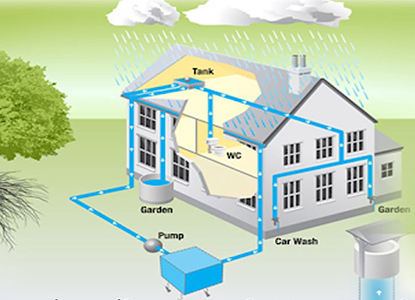
Every building is different, so copying a neighbours design rarely works well. The right system depends on roof size, rainfall, daily water demand, plumbing layout, and available space for tanks or recharge pits. For example, a small bungalow might benefit from an above-ground tank connected to garden irrigation, while a tall apartment block may need multiple collection points feeding a large underground sump. Soil type clay or sandy affects how quickly recharge structures percolate water. A professional will consider these factors and suggest an optimal combination of storage and recharge that fits your budget. Insist on clear drawings showing pipe routes, filter positions, overflow lines, and safety features.
How Can You Compare Service Providers Effectively?
Comparing vendors on price alone is risky when dealing with a long-term asset like water infrastructure. Ask each provider for a written proposal, including design description, materials list, timelines, and total cost separated into labour and materials. Look for details about expected water yield, maintenance schedule, and warranty terms. Reputed companies will share photos, client references, or site visits to existing projects similar to yours. Check how they respond to your questions: do they educate and guide you, or push for a quick closure? Transparent communication, clear documentation, and willingness to adapt the design to your needs are strong signals of reliability.
What Certifications And Standards Should You Check?
In India, there is increasing emphasis on quality and safety in rainwater harvesting projects. While not all regions have strict certification requirements, you should still ask whether the provider follows relevant Indian Standards, local building codes, and any green-building guidelines if applicable. Some companies employ certified engineers or hydrogeologists, which adds credibility. For larger projects, check if the structural stability of tanks and pits has been vetted by qualified civil engineers. It is also wise to ensure that electrical components like pumps comply with safety norms. Written compliance with standards greatly reduces future legal or operational problems.
How Do Costs And Warranties Affect Your Choice?
Rainwater harvesting is a long-term investment, so analyse both upfront cost and lifetime value. Extremely low quotes may indicate poor-quality materials, undersized filters, or inadequate structural design, which can lead to leaks, contamination, and costly repairs later. Instead, focus on systems that balance affordability with durability and ease of maintenance. Confirm warranties on tanks, filters, pumps, and workmanship, and ask for them in writing. Some providers also offer paid annual maintenance contracts that keep your system running at peak performance. A slightly higher initial cost is often worthwhile if it brings stronger warranties, better materials, and reliable after-sales support.
Conclusion
Selecting the right rainwater harvesting installation expert in India is about more than just checking who is cheapest or nearest. It requires understanding your own objectives, insisting on thorough site assessment, and demanding clear, standards-based designs. Comparing multiple proposals, verifying credentials, and evaluating warranties help you avoid poorly designed systems that fail when you need them most. With the right partner, your rooftop can become a dependable water source, lowering bills and safeguarding your family or organisation against future shortages. Thoughtful selection today ensures that your system remains safe, efficient, and beneficial for decades to come.