Cost And Maintenance Guide For Water Harvesting Systems In India
Many households and organisations in India like the idea of rainwater harvesting but hesitate because they are unsure about costs and long-term maintenance. They wonder whether installation will be too expensive, how much upkeep is needed, and if the system will truly pay for itself. In reality, well-designed water harvesting systems can be both affordable and cost-effective over their lifetime, provided you understand the financial aspects clearly from the beginning. This blog breaks down typical installation expenses, ongoing maintenance requirements, potential problem areas, and ways to reduce costs through smart design choices and government incentives, helping you invest confidently in sustainable water security.
What Initial Costs Should You Expect For Installation?
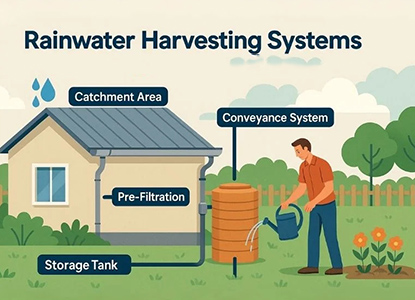
Initial costs depend mainly on roof size, storage capacity, design complexity, and material quality. For a small house, basic systems involving gutters, a filter, and a modest tank can be implemented at relatively low budgets. Larger buildings need additional civil works like underground tanks, recharge pits, or shafts, which increase expenditure. High-quality PVC piping, robust filters, and food-grade tanks cost more upfront but reduce leaks and contamination risks later. Professional design and supervision fees should also be factored in. Request itemised quotations from multiple vendors so you can distinguish between material, labour, and optional extras such as automation or advanced monitoring.
How Are Operation And Maintenance Expenses Calculated?
Operational expenses for rainwater harvesting are typically lower than for other infrastructure, but they do exist. Electricity for pumps, occasional replacement of filters, and cleaning services add to your running costs. Maintenance frequency is influenced by local dust levels, leaf fall, and rainfall intensity. In many Indian cities, pre-monsoon cleaning and occasional mid-season checks are sufficient. Annual maintenance contracts, offered by professional installers, give you predictable costs by bundling inspection, cleaning, and minor repairs. When calculating long-term affordability, compare these expenses with savings on tanker purchases, reduced borewell deepening, and lower wear on municipal supply infrastructure within your premises.
Which Design Choices Reduce Long-Term Maintenance Costs?
Thoughtful design at the planning stage can significantly reduce future maintenance burdens. For example, placing filters and first-flush devices at accessible heights allows staff or residents to clean them without special equipment. Using self-cleaning or low-clog filters in dusty environments means fewer interventions. Ensuring adequate pipe diameters and smooth bends prevents blockages, reducing the need for frequent dismantling. Designing recharge pits with graded media and proper silt traps keeps them functional longer. Selecting durable, UV-resistant materials for exposed components prevents cracking and leakage. By spending slightly more on smart design and sturdy materials, you minimise recurring labour and replacement costs.
How Often Should You Service Different System Components?
Different parts of a harvesting system have different service intervals. Rooftop catchments, gutters, and downpipes generally need cleaning at least once before every monsoon and again if there are heavy storms or long dry spells. Filters may need inspection monthly during the rainy season, with cleaning dictated by visible dirt or decreased flow. Recharge pits and trenches should be inspected annually to ensure media is not clogged and structures are stable. Tanks require periodic checks for sediment build-up, cracks, and cover integrity to keep mosquitoes and debris out. Pumps and electrical controls should be tested regularly, following manufacturer recommendations to avoid sudden breakdowns.
What Common Problems Can Increase Your Expenses?
Neglected maintenance often leads to issues that are more expensive to fix later. Blocked gutters can cause overflow and damp walls, requiring civil repairs. Poorly installed pipes may leak, wasting water and damaging interiors. Inadequate covers on tanks can lead to mosquito breeding or contamination, resulting in health risks and the need for disinfection. Improperly designed recharge structures might cause waterlogging or structural damage near foundations. Using substandard materials can lead to early failure of filters, tanks, or pumps, forcing premature replacements. Recognising these potential problems encourages you to invest in better design, supervision, and periodic checks, which ultimately cost less than major corrective works.
How Can Government Incentives Reduce Your Overall Budget?
Several state and local governments in India promote rainwater harvesting through financial and regulatory incentives. These may include property tax rebates, direct subsidies on construction costs, or relaxed approval timelines for compliant buildings. Some industrial or institutional projects can claim benefits under green-building or sustainability programmes. Before starting your project, check with municipal offices or state water resource departments about current schemes. A professional installer familiar with local policies can help you gather required documents and certification. When planned well, these incentives can significantly reduce your net investment, improving payback periods and making even advanced systems financially attractive.
Conclusion
Understanding the cost and maintenance profile of water harvesting systems in India turns hesitation into informed decision-making. While there are genuine expenses for installation, operation, and periodic upkeep, these are usually outweighed by long-term savings on tanker water, borehole rehabilitation, and avoided water-shortage disruptions. Smart design choices, quality materials, and regular maintenance keep systems reliable and economical for many years. By exploring government incentives and comparing multiple professional proposals, you can tailor a solution that fits both your budget and sustainability goals. Investing in rainwater harvesting is therefore not just an environmental gesture but a sound financial strategy for a water-secure future.