Embracing Sustainable Lifestyle Changes With Eco Friendly Drinkware Solutions Available Online
The global conversation around climate change and plastic pollution has reached a fever pitch, and India is no exception. With millions of single-use plastic bottles ending up in landfills and oceans every year, there is an urgent need for a shift in consumer behaviour. This shift has given rise to the booming industry of sustainable drinkware. From bamboo-encased steel flasks to wheat-straw coffee mugs, the market is flooding with innovations designed to reduce our carbon footprint. This blog delves deep into the world of eco-friendly hydration, exploring why making the switch is not just good for the planet but also beneficial for your health and wallet.
Why is switching to reusable drinkware crucial for the environment?
The environmental cost of single-use plastic is staggering. It takes hundreds of years for a standard plastic bottle to decompose, and during this process, it releases harmful microplastics into the soil and water. By switching to a reusable bottle, an average person can save approximately 150 to 200 single-use plastic bottles from entering the waste stream annually. This massive reduction contributes to lower carbon emissions associated with the production and transportation of bottled water. Reusable drinkware represents a "circular economy" approach, where products are designed for longevity rather than disposability. Every time you refill your sustainable bottle, you are actively voting against the culture of waste and contributing to the preservation of marine life and cleaner cities across India.
What are the health benefits of using glass and steel over plastic?
Beyond the environmental aspect, health is a major driver for the switch. Low-quality plastic bottles, especially when exposed to heat (like in a car parked in the Indian summer), can leach chemicals like Bisphenol A (BPA) and phthalates into the water. These chemicals are known endocrine disruptors and can lead to hormonal imbalances and other health issues over time. In contrast, high-quality stainless steel and borosilicate glass are chemically inert. They do not react with the liquid, regardless of the temperature or acidity (like fruit juices). This ensures that the water you drink is pure and tastes exactly as it should. Using glass or steel eliminates the risk of ingesting microplastics, providing a safer hydration solution for both adults and children.
How durable are bamboo and wheat straw drinkware products?
There is a common misconception that "eco-friendly" means "fragile". However, modern sustainable materials are surprisingly robust. Bamboo drinkware often features a stainless steel interior for durability and hygiene, with a bamboo exterior for aesthetics and insulation. The bamboo shell is treated to be water-resistant and can withstand daily handling. Wheat straw plastic is another innovation; it is a composite material made from the byproduct of wheat harvesting mixed with a safe binder. It is lightweight, unbreakable, and capable of handling hot liquids, making it an excellent alternative to ceramic or traditional plastic mugs. While glass requires more care, borosilicate glass is engineered to be thermal-shock resistant, meaning it would not crack easily with sudden temperature changes, making these eco-options reliable for long-term use.
What role does design play in the adoption of sustainable bottles?
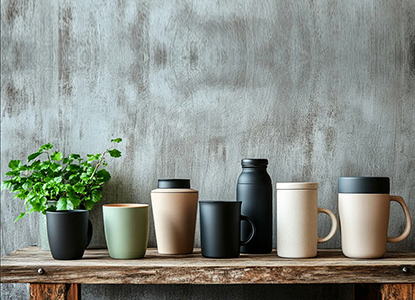
Aesthetics play a huge role in consumer adoption. People are more likely to carry a bottle if it looks good and fits their lifestyle. Manufacturers in India are now producing eco-friendly bottles that are incredibly stylish. We see minimalist designs, matte finishes, wood-grain textures, and ergonomic shapes that fit perfectly in car cup holders or gym bags. The design also extends to functionality—wide mouths for easy cleaning, carry loops for portability, and silicone bases to prevent slipping. When a sustainable product looks premium and fashionable, it transcends its function and becomes a lifestyle accessory. This "cool factor" is essential in encouraging younger generations to abandon single-use plastics in favour of reusable alternatives.
Are eco-friendly drinkware products cost-effective in the long run?
While the upfront cost of a premium stainless steel or bamboo bottle is higher than a disposable plastic bottle, the long-term savings are undeniable. If a person buys a bottle of water for ₹20 every day, they spend over ₹7,000 a year. A high-quality reusable bottle might cost between ₹500 and ₹1500 but will last for 3 to 5 years or more. The return on investment is achieved within a few months. Furthermore, many coffee shops and cafes now offer discounts to customers who bring their own mugs, adding to the savings. Therefore, purchasing sustainable drinkware should be viewed as an investment rather than an expense, one that pays dividends in both monetary savings and environmental impact.
How can businesses promote sustainability through drinkware merchandise?
Businesses have a significant platform to drive change. By choosing eco-friendly drinkware for internal distribution and client gifting, companies send a powerful message about their Corporate Social Responsibility (CSR). Instead of cheap plastic giveaways that end up in the trash, gifting a bamboo tumbler or a glass bottle shows a commitment to sustainability. It aligns the brand with green values, which is increasingly important to modern consumers and investors. Companies can also run internal campaigns, such as "Ban the Bottle," providing every employee with a personalized eco-bottle and removing plastic cups from the office water cooler. This not only reduces office waste overheads but also fosters a collective culture of responsibility and environmental stewardship among the workforce.
Conclusion:
To conclude, the shift towards eco-friendly drinkware is not a passing trend it is a necessary evolution in our consumption habits. The market in India offers a plethora of sustainable options that do not compromise on style, durability, or functionality. By choosing materials like steel, glass, bamboo, and wheat straw, we protect our health from harmful chemicals and protect our planet from the scourge of plastic waste. Whether you are an individual looking to hydrate healthier or a corporation looking to green your supply chain, the answer lies in reusable, sustainable drinkware. It is a small switch in daily habit that collectively makes a monumental difference for the future.