
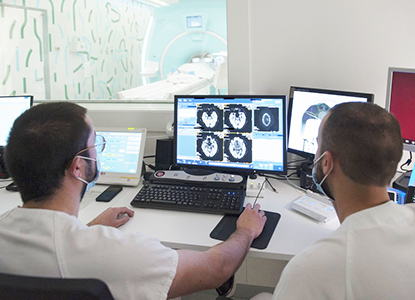
High Precision Diagnostic Imaging
High Precision Diagnostic Imaging is the cornerstone of accurate medical diagnosis and successful treatment planning for patients across the nation. In the complex world of medicine, a doctors ability to treat a patient is only as good as their understanding of the condition, and this understanding is derived primarily from high-quality images. Modern imaging centers are now equipped with cutting-edge technology that provides unparalleled clarity. Whether it is a high-resolution MRI that maps the intricate wiring of the brain or a PET-CT scan that highlights metabolic changes in cancer cells, precision is key. This level of detail helps physicians distinguish between benign and malignant tumors, identify subtle fractures that might be missed by standard X-rays, and detect heart disease before a heart attack occurs. The shift towards high-precision equipment ensures that diagnoses are made correctly the first time, reducing the need for repeat tests and unnecessary anxiety for patients.
High Precision Diagnostic Imaging also significantly enhances the safety and comfort of the patient experience during the diagnostic process. Newer machines are designed not only for better image quality but also for speed and reduced radiation exposure. For example, low-dose CT scanners are now standard in top hospitals, ensuring that patients, especially children, are not exposed to excessive radiation. Furthermore, the development of silent MRI machines and open-bore designs helps reduced claustrophobia, making the experience much more tolerable. When the imaging process is comfortable and quick, patients are less likely to move, which in turn reduces artifacts in the images and leads to clearer results. This technological evolution supports early detection programs, such as routine mammograms or lung cancer screenings, which are vital for catching diseases in their most curable stages.
High Precision Diagnostic Imaging is essential for monitoring the progress of treatments, particularly in chronic diseases and oncology. Once a patient begins chemotherapy or radiation therapy, doctors need to know if the treatment is working. Precision imaging allows for exact measurement of tumor size and activity over time. If a tumor is shrinking, the current therapy continues; if not, doctors can pivot immediately to an alternative strategy. This dynamic approach to medicine, driven by constant visual feedback, saves time and resources while maximizing patient outcomes. Additionally, in the field of orthopedics, precision imaging guides surgeons in planning joint replacements and spinal surgeries, ensuring implants are sized and placed perfectly. The reliance on high-quality visual data has made medicine more personalized and effective, proving that clear vision is indeed the first step towards a cure.