How the Best Sports Equipment Manufacturer in India Builds Trust
Introduction:
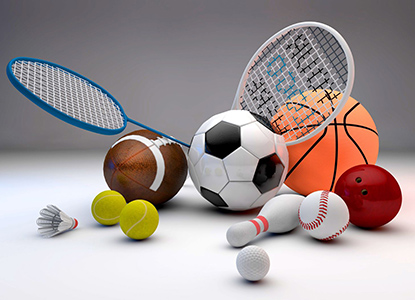
Trust is the real currency between buyers and the best sports equipment manufacturer in India. Whether you manage a school, run a professional academy, operate a retail store, or coach a local club, you need a partner who will deliver exactly what was promised, every time. In a country where playing conditions range from humid coasts to dry plains and rough municipal grounds, equipment must be built to last. Trusted manufacturers understand this diversity and design products accordingly. They use consistent raw materials, documented processes, and trained workers to reduce defects. Open communication, clear policies, and transparent pricing further strengthen the relationship. Over time, this trust means you can plan seasons, tournaments, and new programs with confidence, knowing your equipment partner will stand firmly behind you.
What makes sports equipment truly high-quality and reliable in India?
High-quality sports equipment in India starts with the right raw materials: properly seasoned willow for cricket bats, durable PU or genuine leather for balls, and strong, flexible polymers for protective gear. The best manufacturers maintain strict incoming-material checks and monitor each production stage, from cutting and moulding to stitching and finishing. They simulate Indian playing conditions in testing heat, dust, moisture, and heavy usage to ensure equipment holds up on real grounds and in packed coaching sessions. Reliability also depends on consistency: the 100th bat in a batch should perform like the first. Reputable factories invest in skilled technicians and modern machines, reducing human error and improving finish. When you repeatedly receive gear that looks, feels, and performs the same across orders, you know you are dealing with a truly reliable manufacturer in India.
How do certifications and testing standards protect players in India?
Certifications and testing standards act as a safety net for players at every level in India. When a manufacturer follows ISO or sport-specific norms, it means products are tested for durability, impact resistance, and safety before reaching the field. For example, helmets and guards should meet clear protection benchmarks, while balls must retain shape and rebound characteristics over time. Certified labs or in-house testing facilities conduct drop tests, stress tests, material analysis, and performance simulations. This reduces the risk of injuries caused by equipment failure splitting bats, breaking studs, or poorly cushioned guards. For schools and academies, insisting on certified gear sends a strong signal to parents that player welfare is a priority. In a market crowded with low-cost, uncertified options, standards give you an objective way to separate serious manufacturers from risky ones.
Why does ethical sourcing matter for sports equipment buyers in India?
Ethical sourcing is no longer just a global buzzword; it matters deeply for sports equipment buyers in India too. When you choose a responsible manufacturer, you are indirectly supporting fair wages, safe working conditions, and lawful sourcing of materials like leather, wood, and textiles. Ethical factories avoid child labour, follow environmental regulations, and often invest in community development around their units. This reduces reputational risk for schools, corporates, and academies that promote values like discipline and fairness on the field. Parents and sponsors increasingly ask where equipment comes from and how it is made. Manufacturers who can show audits, compliance reports, and sustainability initiatives build stronger, long-term bonds with such conscious buyers. In the long run, ethical sourcing helps create a cleaner, safer sports ecosystem across India.
How can manufacturers support schools and grassroots sports programs?
The best sports equipment manufacturer in India looks beyond sales and actively supports grassroots development. For schools, they may offer starter kits, discounted bulk packages, and curated lists of must-have items for different age groups. Some manufacturers design special ranges tailored to rough school usage with extra-strong stitching, thicker materials, and safer beginner-friendly designs. They might also collaborate on talent hunts, inter-school tournaments, or coaching camps, providing equipment sponsorships or prizes. Grassroots clubs and NGOs can benefit from flexible payment terms, phased deliveries, and guidance on optimal quantities. When manufacturers participate in curriculum design or physical education training modules, they help teachers and coaches use equipment more effectively. This partnership approach transforms them from mere suppliers into true development partners in Indias growing sports movement.
What role does innovation play in modern sports equipment manufacturing?
Innovation is a key differentiator for any leading sports equipment manufacturer in India. It can mean lighter yet stronger bat handles, improved grip patterns on footballs, sweat-wicking fabrics for jerseys, or modular training gear that saves space. Indian manufacturers are increasingly using 3D design software, rapid prototyping, and advanced materials like carbon composites and performance polymers. They collect feedback from coaches, players, and physiotherapists to refine shapes, weights, and ergonomics. Some also integrate technology QR codes for authenticity, app-linked training cones, or smart sensors in fitness equipment. Innovation does not always mean costlier products; often, it leads to better durability or multi-purpose use, reducing overall expenses for buyers. In a competitive market, those who innovate regularly stay ahead, while their clients benefit from more effective, player-friendly equipment.
How should you evaluate after-sales service and warranties in India?
Evaluating after-sales service is essential before you commit to a long-term manufacturer in India. Start by understanding their warranty terms: what is covered, for how long, and under what conditions. Ask how they handle defective item replacement, repair, or credit and how quickly issues are resolved. A well-organised manufacturer will have a clear complaint-handling process, a dedicated contact person, and structured timelines. Check if spare parts are readily available for items like fitness machines, goalposts, and nets. For institutions spread across multiple locations, find out whether the company has regional service teams or authorised partners. Reading real customer experiences, especially from other schools or academies, can reveal how the brand behaves after the payment is done. Strong after-sales support often signals a manufacturer that genuinely believes in the quality of its products.
Conclusion
Trust with the best sports equipment manufacturer in India is built step by step through consistent quality, transparent standards, ethical practices, responsive service, and a genuine commitment to grassroots sports. When you choose a partner who invests in innovation and player safety, you protect both performance and reputation. Schools, academies, gyms, and clubs can then focus on coaching, talent development, and competition instead of constantly worrying about broken gear or delayed deliveries. By asking the right questions about quality, certifications, sourcing, and support, you ensure that every rupee spent on equipment becomes an investment in better sport, safer players, and a stronger sporting culture across India.