How To Choose The Best Fashion Manufacturer In India
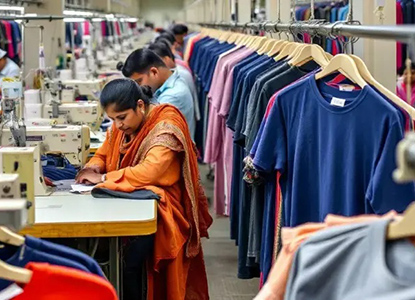
Finding the best fashion apparel manufacturer in India can determine whether your brand grows smoothly or struggles with quality issues and delays. With thousands of factories across different hubs, you need a clear framework for shortlisting, evaluating, and finally partnering with the right supplier. Instead of focusing only on low prices, its crucial to examine experience, specialization, communication, timelines, and ethical practices. This guide walks you through the key questions you should ask before committing, so you reduce risk and build a long‑term, scalable relationship with a reliable Indian clothing manufacturer that understands your market and your brand DNA.
What Experience Should A Reliable Manufacturer In India Have?
When evaluating experience, look beyond the number of years in business and ask what kinds of clients and markets a manufacturer serves. A factory supplying only local wholesalers might not understand strict export standards, while one with a diverse international portfolio will already be familiar with testing, sizing, labelling, and compliance. Ask for product categories they specialize in casualwear, sportswear, womenswear, kidswear, or luxury pieces and check whether this aligns with your brand. Request references or case studies from brands similar to yours. If they can demonstrate repeat orders from existing clients, its a strong indicator of reliability, consistency, and professional working culture.
How Important Is Product Specialization For Your Brand?
Product specialization significantly impacts fit, comfort, durability, and aesthetics. A manufacturer focused on knit t‑shirts and hoodies may not be the right choice for structured jackets or delicate dresses. Specialized factories invest in relevant machinery, skilled operators, and quality control methods tuned to specific garments. This means fewer errors, better finishing, and faster problem‑solving when issues arise. When shortlisting factories, choose those whose core expertise mirrors your main product lines. Discuss technical details such as seam types, washes, prints, and embellishments you require. The more confidently they explain their process, the more likely they are to deliver the standard your brand needs.
What Should You Check During Sampling And Prototyping?
Sampling is your safest window to judge a manufacturer before placing bulk orders. Provide crystal‑clear tech packs, measurements, fabric expectations, and reference images. Evaluate how closely the sample matches your brief in terms of fit, stitching quality, print clarity, color accuracy, and overall feel. Note how quickly the factory responds to your feedback and how willing they are to tweak patterns or finishes. A good partner treats sampling as collaborative, suggesting improvements to construction or materials where needed. If they ignore details or push you to proceed without refinements, reconsider the relationship; such behaviour often continues in bulk production.
How Do Minimum Order Quantities And Pricing Affect You?
Minimum order quantities (MOQs) and pricing must align with your business stage and cash flow. Startups may need lower MOQs to test designs, while scaling brands can negotiate better unit prices with higher volumes. Ask for price breakdowns by fabric, trims, making charges, and any extra processes like printing or embroidery. Transparent costing helps you plan retail prices and margins. Clarify whether the factory is open to flexible MOQs for new styles or colourways, and how future order increases could impact pricing. A genuine partner will discuss realistic thresholds instead of promising unsustainable deals that later cause disputes.
What Role Do Communication And Project Management Play?
Smooth communication is vital when you are collaborating across time zones. Assess how quickly the manufacturer responds to emails or messages and whether they provide clear, written confirmations of every detail. A strong merchandising team will send production calendars, share regular updates, and escalate issues early instead of hiding them. Ask who your main point of contact will be and whether they understand your language, technical terms, and market references. When factories maintain organized documentation P.O.s, approval sheets, size sets, and inspections your risk of misunderstandings and costly mistakes drops dramatically, leading to smoother seasons.
How Can You Ensure Compliance, Sustainability, And Ethical Practices?
Todays customers care about where and how their clothes are made, so your manufacturers ethics directly affect your brands reputation. Ask for certifications such as ISO, BSCI, SEDEX, GOTS, or OEKO‑TEX, depending on your sustainability goals. Inquire about worker safety measures, working hours, wages, and benefits. Check whether they have an effluent treatment plant (ETP) for dyeing units and policies on waste and chemical management. If possible, arrange a third‑party audit or visit the factory during production. Ethical manufacturers are usually transparent and proud to showcase their compliance, which helps you build honest marketing narratives for conscious customers.
How Should You Start And Scale Your First Orders Safely?
Begin with a smaller trial order to test how the manufacturer handles real‑world timelines, communication, and quality. Use this stage to refine patterns, confirm size ranges, and lock in fabric and trim standards. After evaluating the first delivery, share detailed feedback both positive and negative so the factory understands your expectations. Gradually increase order sizes as trust and performance improve. Regularly review KPIs such as on‑time delivery, defect rates, and responsiveness. By scaling step‑by‑step instead of jumping into large commitments, you protect your cash, minimise risk, and create a stable, long‑term partnership with your chosen fashion manufacturer in India.
Conclusion
Choosing the best fashion apparel manufacturer in India is a strategic decision, not just a sourcing task. When you evaluate experience, specialization, sampling quality, MOQs, communication, and ethics with equal importance, you dramatically increase your chances of finding a dependable production partner. Treat your first few seasons as a learning phase where both you and the factory refine processes together. Over time, a strong relationship with the right Indian manufacturer becomes a competitive advantage allowing you to launch better collections, optimize costs, and respond quickly to trends while maintaining the quality and values your customers expect.