How To Find The Best Tea Leaves Supplier In India
India is home to legendary tea regions like Assam, Darjeeling, Nilgiri, and Kangra, each producing distinctive flavours that fuel both domestic and global demand. For brands, cafés, and wholesalers around the world, the question is not whether to source from India, but how to find the best tea leaves supplier in a market crowded with options. Choosing correctly affects product consistency, customer satisfaction, and long‑term profitability. You need a partner who understands estates, leaf grades, and global compliance as well as they understand taste. This blog guides you through practical criteria, from quality checks and certifications to pricing strategy and online research, so you can confidently identify the right supplier for your needs.
Why Is India Famous For High-Quality Tea Leaves?
Indias reputation rests on a combination of rich terroir, diverse climates, and a long history of tea cultivation. The misty slopes of Darjeeling yield delicate, floral teas, while Assams lowlands create strong, malty brews perfect for chai. Nilgiri gardens contribute aromatic, brisk teas that blend beautifully. Over decades, estates have refined plucking standards, processing techniques, and quality controls, supported by institutions like the Tea Board of India. This combination of geography, expertise, and regulation means buyers can source everything from everyday CTC tea to rare, single‑estate batches without leaving the country. When you partner with the right supplier, you tap into this entire spectrum of quality and style.
What Qualities Define A Reliable Tea Leaves Supplier?
A reliable supplier goes beyond sending attractive samples; they demonstrate consistency, transparency, and professionalism across every order. Look for clear documentation of garden sources, harvest periods, and leaf grades, along with readiness to share lab test reports. Good suppliers respond quickly to queries, explain price differences honestly, and help you select teas matching your brand concept and target market. They maintain proper storage conditions and batch traceability, so you can identify and correct issues. Finally, reliability shows in on‑time shipments, accurate packing, and willingness to resolve problems fairly. Over time, these traits build trust and allow you to scale your tea portfolio without compromising quality.
How Should You Evaluate Tea Leaf Quality Before Buying?
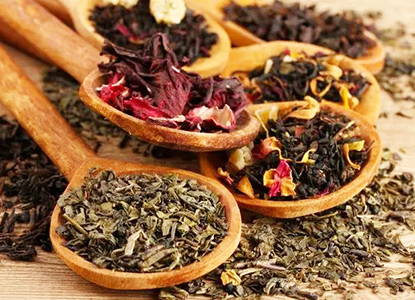
Start by requesting multiple samples for each type of tea you are considering, and evaluate them systematically. Examine dry leaves for uniform size, colour, and minimal dust or stalks. Brew each sample using the same water temperature, quantity, and steeping time, then judge liquor colour, clarity, aroma, mouthfeel, and aftertaste. Compare cost per cup, not just price per kilogram, to understand real value. Ask whether the supplier can keep the same profile across seasons or suggest comparable alternatives when a lot finishes. If possible, get feedback from existing customers or a professional tea taster. This structured approach minimises risk and ensures your final selection matches your brand promise.
Which Certifications Should A Tea Supplier In India Have?
At a basic level, ensure your supplier holds a valid FSSAI license and, ideally, quality certifications such as ISO 22000, HACCP, or BRC. For organic products, look for India Organic, USDA Organic, EU Organic, or other recognised standards, and verify certificates are current and traceable to specific gardens. If you sell in markets with strict regulations, check compliance with norms like FDA (for the USA) or specific EU food safety rules. Ethical certifications Fairtrade, Rainforest Alliance, or similar add value for conscious consumers and institutional buyers. A serious supplier will maintain organised documentation, share it readily, and guide you through any additional paperwork your market may demand.
How Do Pricing And MOQs Affect Your Tea Strategy?
Prices vary with origin, season, leaf grade, and processing complexity, so comparing only per‑kilogram rates can be misleading. Discuss with your supplier how minimum order quantities (MOQs) relate to price breaks; sometimes ordering just a little more sharply reduces costs. For startups, seek suppliers willing to offer flexible MOQs across multiple variants, allowing you to test market response without over‑stocking. Also factor in freight, duties, and local packaging costs when calculating landed cost per cup. A good supplier will help you design a range that balances premium flagships with affordable everyday blends, ensuring healthy margins while keeping your offer attractive to customers.
Where Can You Discover Trusted Tea Suppliers Online?
Start with trade platforms, industry directories, and B2B marketplaces, but do not rely solely on profiles and ratings. Visit supplier websites, study their client list, and look for blog posts or educational content that demonstrates real expertise. Attend virtual or physical trade shows focused on tea, food, or hospitality, where you can interact directly with company representatives. Ask for references or case studies from similar clients in your segment cafés, hotels, online brands, or distributors. Finally, consider doing a small trial order to test responsiveness, quality, and logistics before committing to long‑term contracts. Combining online research with real‑world testing is the safest path to finding a trustworthy partner.
Conclusion
Finding the best tea leaves supplier in India is a strategic process, not a one‑time purchase decision. By understanding why Indian tea is unique, clarifying what reliability means for your business, and applying practical quality and documentation checks, you greatly reduce your risk. Smart negotiation around pricing and MOQs, combined with careful online research and trial orders, will reveal which suppliers truly align with your vision. Invest time in building transparent, long‑term relationships, and you will gain not only consistent tea quality, but also guidance on new trends, blends, and opportunities that keep your brand growing in a dynamic global tea market.