
Innovative Water Harvesting Solutions For Sustainable Living In India
As Indian cities expand and climate patterns become unpredictable, sustainable living can no longer rely solely on municipal supply lines and deep borewells. Innovative water harvesting solutions are emerging as powerful tools to reduce stress on groundwater, cut tanker bills, and protect communities from both drought and urban flooding. These solutions blend traditional wisdom with modern engineering, allowing homes, apartments, offices, and institutions to capture, store, treat, and reuse rainwater efficiently. This blog explores how old techniques are being updated, how smart technologies are making systems easier to manage, and how different property types across India can adopt creative, future-ready approaches to water security.
What Traditional Water Harvesting Methods Still Work Today?
India has a long history of traditional water structures such as stepwells, tanks, johads, and earthen bunds. Many of these principles still work beautifully today when adapted to modern spaces. Simple rooftop redirection into open wells or percolation pits mimics village ponds by slowly recharging groundwater instead of letting rain rush into drains. Contour trenches on sloping land guide water gently into the soil, reducing erosion. Even basic earthen check dams across small streams can hold seasonal flows, supporting agriculture downstream. The key innovation is not always new gadgets but smartly resizing and resiting these age-old methods within todays dense urban and peri-urban landscapes.
Which Modern Technologies Are Transforming Rainwater Collection?
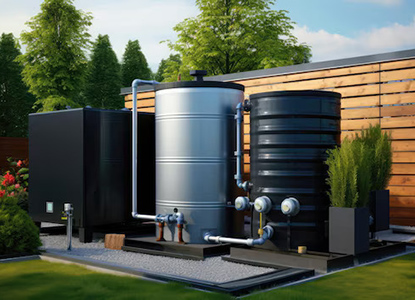
Modern innovations are making rainwater harvesting more precise, efficient, and user-friendly. Advanced filter units remove leaves, dust, and fine particles with minimal maintenance, protecting storage tanks and plumbing. Modular plastic or concrete tanks fit into tight urban spaces, including basements and podiums. Automatic first-flush systems discard the dirtiest part of initial rainfall before diverting cleaner water into storage. Sensors and controllers measure water levels, pump operation, and even quality parameters, sending alerts to users phones. In commercial buildings, integrated building-management systems optimise how harvested rainwater supplements cooling towers, flushing, and landscape irrigation, maximising savings without constant manual oversight.
How Can Apartments Adopt Smart Water Harvesting Systems?
Apartment complexes have large roof areas and high collective water demand, making them ideal candidates for innovative harvesting. A smart design can split terraces into zones, each feeding central filters and common underground tanks. From there, treated rainwater can be pumped into flushing lines, gardens, and housekeeping taps. Digital meters track how much water is contributed by rainwater versus municipal supply, helping societies measure savings and justify investments. In some projects, multiple blocks share interconnected storage, improving resilience if one tank goes offline. Societies can also install dashboard displays in lobbies, showing residents live data on harvested volumes and environmental impact.
What Role Does Landscaping Play In Water Conservation?
Landscaping is often seen purely as an aesthetic element, but clever design can turn open spaces into powerful water-harvesting assets. Permeable pavements allow rain to seep into the ground instead of rushing into drains. Bioswales and rain gardens, planted with hardy species, collect runoff, slow it down, and let it infiltrate gradually, filtering pollutants through soil and plant roots. Tree pits and contour berms help capture water around trunks, improving tree health while recharging groundwater. In housing layouts, directing rooftop overflows into vegetated areas rather than hard pavements creates micro-recharge zones. Thoughtful integration of plants, soils, and contours transforms landscaping from a water consumer into a water producer.
How Do Communities Benefit From Shared Harvesting Projects?
When communities plan together, they can implement larger and more impactful harvesting solutions than individual plots could manage alone. Shared recharge parks, restored ponds, and interconnected stormwater channels can stabilise groundwater across entire neighbourhoods, benefiting every borewell and handpump. Resident associations may collaborate with local governments and NGOs to rejuvenate traditional tanks or create new percolation parks. Schools and public buildings can serve as demonstration sites, educating children and citizens about water cycles and conservation techniques. Community projects also spread costs, making robust infrastructure more affordable. Over time, shared ownership builds stronger social bonds and collective responsibility toward local water resources.
How Can You Monitor And Optimize Your System Performance?
Installation is only the first step; ongoing monitoring keeps systems efficient and safe. Simple tools like level indicators, flow meters, and turbidity testers help track how much water you are capturing, storing, and using. Smartphone-connected sensors can send alerts when tanks overflow, pumps fail, or filters need cleaning. Analysing this data over seasons shows whether your current design is adequate or needs expansion. You may discover that adding another recharge pit, upgrading filters, or rearranging downpipes could significantly boost performance. By treating your system as a living, improvable asset rather than a fixed structure, you unlock continuous gains in water security and cost savings.
Conclusion
Innovative water harvesting solutions in India span a wide spectrum from revamped traditional structures to cutting-edge sensor-based systems. Whether you live in an independent house, a large apartment complex, or manage an institutional campus, there are creative options to convert each monsoon shower into a long-term resource. By combining thoughtful design, appropriate technology, and active community engagement, you can dramatically reduce dependence on vulnerable external supplies. As more people adopt such solutions, cities become more resilient, groundwater recovers, and future generations inherit a healthier water balance. Embracing innovation in water harvesting is not just smart engineering; it is a vital step toward truly sustainable living.