
Sustainable Urban Greenery Projects in India
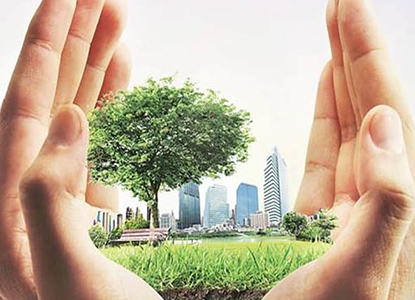
Sustainable Urban Greenery Projects in India are gaining immense popularity as cities grapple with rising pollution levels and shrinking natural cover. These projects focus on integrating nature into the urban fabric in a way that is environmentally responsible and resource-efficient. The primary goal is to create "green lungs" within the city that help lower ambient temperatures and improve air quality. Consultants working on these projects prioritise the use of native Indian species that require less water and are resistant to local pests, thereby reducing the need for chemical fertilisers and pesticides. This approach, often called naturalistic planting, supports local biodiversity by attracting birds, butterflies, and bees, creating small ecosystems amidst the concrete. Such projects are increasingly seen in smart city initiatives, metro station surroundings, and modern housing societies that aim for a lower carbon footprint.
Sustainable Urban Greenery Projects in India also innovates by utilising vertical space through green walls and bio-facades, which are essential in crowded Indian metros where horizontal space is scarce. These vertical gardens act as natural insulation for buildings, reducing the load on air conditioning systems and subsequently lowering energy consumption. Another key aspect is rainwater harvesting integrated into the landscape design. These projects are engineered to capture surface runoff, filter it through bioswales or rain gardens, and recharge the groundwater table. This prevents urban flooding while securing a water source for the garden itself. The contractors executing these projects are skilled in new-age technologies like hydroponics and aquaponics, allowing for greenery in areas with poor soil quality or limited space.
Sustainable Urban Greenery Projects in India represent the future of city living, where residents can connect with nature without leaving the urban environment. Beyond just planting, these projects often include community farming initiatives where residents can grow their own organic vegetables, fostering a sense of community and sustainability. The maintenance of these projects focuses on "zero waste" principles, where garden waste is composted on-site and returned to the soil as nutrient-rich manure. By adopting these sustainable practices, developers and city planners in India are not only complying with environmental regulations but are also enhancing the quality of life for citizens. These projects prove that urbanisation and nature can coexist harmoniously if planned with foresight and ecological sensitivity.