The Science Behind High Definition Dye Sublimation
Dye sublimation is often described as a magical process but it is firmly rooted in the principles of chemistry and thermodynamics. At the heart of this technology is the Dye Sublimation Printing Machine which uses heat sensitive inks that have the unique ability to convert from a solid state directly into a gas without passing through a liquid phase. When the printed transfer paper is placed against a polyester fabric and subjected to high heat typically around 200 degrees Celsius the pores of the polymer fibers open up. Simultaneously the ink turns into gas and permeates the open pores. When the heat is removed the pores close trapping the dye inside the fiber structure. This molecular bonding explains why sublimation prints are so durable and why they do not have a plastic feel on the surface of the fabric. This distinct advantage makes sublimation the preferred choice for performance apparel where breathability and comfort are paramount. A proficient Sublimation Printing Machine Manufacturer designs their equipment to control these variables precisely ensuring that the print head deposits the exact amount of ink required for vibrant color saturation without bleeding.
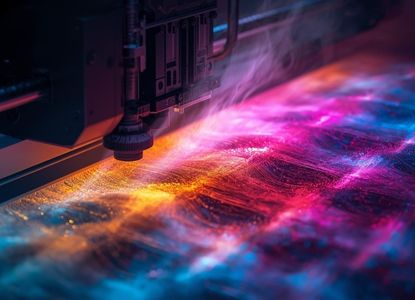
The quality of the final output is heavily dependent on the engineering of the Sublimation Printing Machine. Modern machines utilize variable dot technology which allows the print head to eject droplets of different sizes. This capability is essential for rendering smooth gradients and fine details in photographic images. A high quality machine also features advanced media heating systems that dry the ink quickly on the transfer paper preventing smudging during the winding process. Furthermore the precision of the media feeding mechanism ensures that the paper moves through the printer without skewing which is critical for long print runs. A reliable Sublimation Printing Machine Supplier will always emphasize the importance of using compatible high quality inks. Using generic or low quality inks can lead to clogged print heads and inconsistent colors which can damage the machine and ruin the final product. Therefore sticking to manufacturer recommended consumables is a best practice that ensures the longevity of the equipment and the consistency of the output.
Beyond the machinery the success of sublimation printing also depends on the substrates used. Since the chemical reaction requires polymers it is essential to use fabrics with a high polyester content or rigid items that have been specially coated with a polymer layer. A knowledgeable supplier helps clients understand these material constraints and offers a range of certified blanks that are guaranteed to work with their machines. They also provide guidance on the specific time temperature and pressure settings required for different materials as transferring to a ceramic mug requires different parameters than transferring to a chiffon scarf. This technical expertise is invaluable for minimizing trial and error and reducing waste. As the technology continues to evolve with faster print speeds and wider color gamuts the partnership between the user and the manufacturer becomes even more critical. By staying informed about the scientific principles and adhering to best practices businesses can leverage the full potential of dye sublimation to create stunning high definition products that captivate the market.