
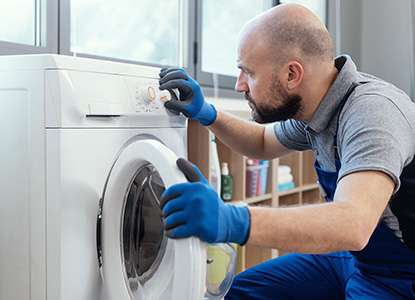
Understanding Common Washing Machine Problems And Professional Repairs In India
Washing machines have become essential in almost every modern home in India, quietly handling piles of laundry week after week. Yet most people only think about the machine when it suddenly stops working or starts acting strangely. Understanding common problems and how professional repairs solve them can reduce stress, prevent panic, and help you respond correctly. From machines that refuse to start to stubborn foul smells, each symptom has specific possible causes. Knowing these basics also helps you talk more clearly with technicians and avoid confusion or unnecessary expenses. This guide explores frequent issues and explains why expert help is often the safest and most economical choice.
Why Is My Washing Machine Not Turning On?
A washing machine that does not turn on can feel like an emergency, especially in busy Indian households. The issue might be as simple as a loose plug, tripped MCB, or faulty socket. However, it can also indicate problems with the power cord, door lock, main switch, or internal PCB. Modern machines often have safety interlocks that prevent operation if the door is not properly closed or a sensor detects a fault. A professional technician in India checks power supply, continuity, and control board components step by step. This systematic approach avoids guesswork, reduces the risk of electric shock, and quickly identifies whether a small repair or part replacement is needed.
What Causes Excessive Noise Or Vibrations During Wash?
Unusual noise or heavy vibration during washing or spinning is one of the most common complaints. Sometimes the cause is simple: an unbalanced load, coins or buttons left in pockets, or installation on an uneven floor. However, persistent loud banging, grinding, or squeaking can signal deeper issues like worn bearings, damaged shock absorbers, loose drum weights, or a failing motor. In India, where floors can be slightly uneven and machines are often shifted for cleaning, improper leveling is especially common. A skilled repair professional checks the machines balance, inspects internal components, and ensures all bolts and mounts are secure. Solving the root cause early prevents further structural damage.
Why Is Water Not Filling Or Draining Properly?
Water-related problems are frequent in Indian homes due to varying water pressure and quality. If the machine is not filling, the inlet tap may be closed, the hose kinked, or the inlet valve filter clogged with sediment. Poor drainage can result from a blocked drain filter, clogged outlet hose, or faulty drain pump. Detergent residue, lint, and small clothing items sometimes get stuck and obstruct flow. A technician systematically inspects hoses, filters, and valves, cleaning or replacing parts as needed. They also check for pump motor failure or electronic control issues. Proper water flow is crucial for effective washing, so resolving these issues quickly restores both performance and hygiene.
Why Are My Clothes Still Dirty After Washing?
Few things are more frustrating than pulling out clothes that still look dirty after a full cycle. The problem might seem like low detergent quality, but often the real issue lies within the machine. Clogged detergent trays, dirty drum interiors, malfunctioning sensors, or incorrect water levels can reduce wash effectiveness. In India, hard water can cause scale buildup on heaters and internal parts, affecting cleaning performance. Overloading the machine or choosing the wrong program also leads to poor results. A professional can deep clean internal components, recalibrate settings, and suggest correct usage patterns. Their guidance helps you get cleaner clothes without constantly repeating wash cycles.
What Should I Do About Foul Smell From Washer?
A smelly washing machine is a very common problem, especially in humid Indian climates. The odour usually comes from mold, bacteria, and detergent residue accumulating in the drum, rubber gasket, and hidden corners. Leaving wet clothes inside for long periods worsens the smell. Basic home remedies like running an empty hot cycle with machine cleaner or vinegar can help, but severe buildup often needs professional cleaning. Technicians disassemble key parts, clean filters, and ensure drainage is proper so that water does not stagnate. They may also recommend leaving the door slightly open after each wash and using the right amount of detergent to prevent future odours.
How Can Professional Diagnosis Save Time And Money?
Many people in India try to guess washing machine problems by watching online videos or asking friends. While basic tips can help, misdiagnosis often leads to wasted time and additional damage. Professional technicians use experience, tools, and sometimes diagnostic modes built into modern machines to pinpoint issues precisely. Instead of changing multiple parts blindly, they target only the faulty component. This reduces unnecessary costs and prevents recurring breakdowns. Experts also advise whether repair is worthwhile based on the machines age and condition. In the long run, accurate diagnosis and correct repair save both time and money while giving you peace of mind.
Conclusion
Understanding the common problems that affect washing machines in India allows you to react quickly and responsibly when something goes wrong. Issues with power, noise, water flow, dirty clothes, or bad smells each have specific technical causes that are best handled by trained professionals. While simple checks like confirming power supply or cleaning accessible filters are fine, deeper repairs are safer in expert hands. By recognising warning signs early and choosing reliable technicians, you can restore your machines performance quickly and extend its life. A little knowledge, combined with professional support, keeps your laundry routine smooth and your appliance working efficiently.