Choosing The Best Modular Kitchen Contractor In India
Selecting the best modular kitchen contractor in India can feel overwhelming when every company claims to be “No.1” and “premium.” Your kitchen must handle hot oil, spices, frequent washing, and tight urban spaces, so the wrong choice can become an expensive mistake. A good contractor does far more than deliver boxes and fittings; they become your design partner, technical guide, and project manager. From the first site visit to the final handover, they help you balance style, durability, and budget. Understanding how contractors work, what you should expect in a quotation, and which questions to ask will dramatically improve your experience. This guide breaks down the thought process so you can confidently choose a contractor who truly fits your home, cooking style, and long-term needs.
Why Are Modular Kitchens So Popular Today?
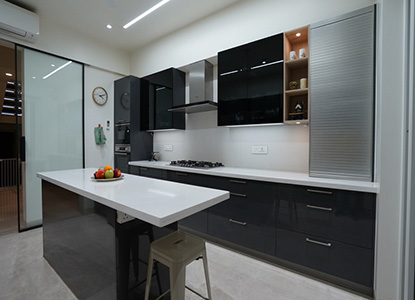
Modular kitchens have exploded in popularity because they bring factory-level precision and design flexibility into Indian homes. Unlike traditional carpentry, you get pre-engineered modules that are cut, finished, and drilled using machines, resulting in cleaner lines and consistent quality. They are customisable to almost any layout, whether you have a compact parallel kitchen or a spacious open-plan island. Another key reason is ease of maintenance damaged shutters or hardware can be replaced without redoing the whole kitchen. With rising apartment living, smart storage solutions like tall units, corner carousels, and deep drawers help maximize every inch. Additionally, modular kitchens integrate perfectly with chimneys, hobs, dishwashers, and built-in ovens, supporting modern cooking habits. All of this makes modular systems a practical, long-lasting investment for contemporary Indian families.
How Does A Modular Kitchen Contractor Work?
A professional modular kitchen contractor in India typically follows a structured process to reduce errors and delays. It begins with a detailed site visit, where they measure walls, windows, plumbing points, and electrical locations. Next comes the design consultation, during which you discuss your cooking style, storage needs, and aesthetic preferences. They then create 2D layouts and 3D views, allowing you to visualise the final result. After you approve the design and materials, the contractor shares a detailed quotation and timeline. Once you confirm, production starts at their factory or partner facility. During installation, a dedicated team assembles cabinets, fits shutters, installs countertops, and adjusts hardware. A good contractor conducts a final quality check with you, explains how to use and maintain various components, and provides warranty documents and invoices in writing.
What Should You Check Before Signing A Contract?
Before committing to any modular kitchen contractor, insist on complete clarity in writing. The quotation should clearly list carcass material, shutter finish, hardware brands, countertop type, and all accessories included. Ask whether civil work, electrical changes, and plumbing shifts are part of the scope or need separate contractors. Check the payment schedule; avoid paying very high amounts upfront and link payments to project milestones. Confirm the estimated delivery and installation timeline, with penalties or remedies if there are unreasonable delays. Review warranty terms for cabinets, hardware, and finishes, and note who will handle service calls. Its wise to visit at least one completed site or showroom display to inspect build quality in person. Never rely purely on verbal promises or social media posts transparency and detailed documentation protect your investment.
Which Materials Are Best For Indian Kitchen Conditions?
Indian kitchens experience high heat, oil, moisture, and frequent cleaning, so material selection is critical. For cabinet carcasses, BWR/BWP-grade plywood or HDHMR boards are preferred because they resist moisture better than ordinary MDF or particle board. For shutters, economical yet durable laminates are popular, while acrylic and PU finishes offer a more premium, glossy or matte look. Countertops made from granite or engineered quartz are ideal; they handle hot pans, stains, and knife use better than softer stones. Internal shelves and drawer bases should also be moisture-resistant, especially near the sink. Ask your contractor to show you actual material samples and certifications where possible. Well-chosen materials may cost more initially but will save you from swelling panels, peeling edges, and frequent repairs later.
How Can You Estimate A Realistic Kitchen Budget?
Creating a realistic budget starts with understanding your priorities. Do you want the most durable materials, maximum storage, or a high-gloss designer look? Basic modular kitchens with simple laminates and standard hardware cost less, while soft-close channels, premium brands, and imported finishes increase the price. Accessories such as tall units, corner solutions, and cutlery organizers add convenience but also add to the bill. Do not forget the cost of appliances, chimney, lighting, and possible civil work. Share a clear budget range with your contractor so they can suggest value-engineered options instead of pushing unnecessary upgrades. Ask for an itemized quotation to see where your money is going. Remember that the cheapest quote is not always the most economical; consider warranty, after-sales service, and material quality as part of the overall value.
What Makes A Contractor Truly “The Best” For You?
“The best” modular kitchen contractor in India is not simply the one with the fanciest showroom, but the one who understands your lifestyle and respects your time and budget. They listen carefully instead of rushing you into quick decisions, explain pros and cons of each material, and never hide costs. Their designs focus on ergonomics and functionality, not just glossy finishes for photos. They have trained installation teams, follow safety norms, and keep your home as clean as possible during work. Strong after-sales support is another sign of excellence if something goes wrong months later, they respond promptly. Finally, good rapport and clear communication matter as much as technical skill; a contractor you trust will make the entire journey smoother and more enjoyable.
Conclusion
Choosing the best modular kitchen contractor in India is essentially choosing a partner for one of the most important spaces in your home. When you evaluate design capability, material knowledge, documentation, timelines, and after-sales service together, it becomes easier to separate marketing hype from real value. Take time to compare options, visit showrooms, and ask detailed questions before signing anything. A thoughtful decision will reward you with a kitchen that is efficient, beautiful, and durable, supporting your everyday life with quiet reliability. In the long run, the right contractor does not just build cabinets they help create a space where your family cooks, chats, and celebrates together for many years.