Why Leading Brands Prefer Fashion Apparels Manufacturers In India
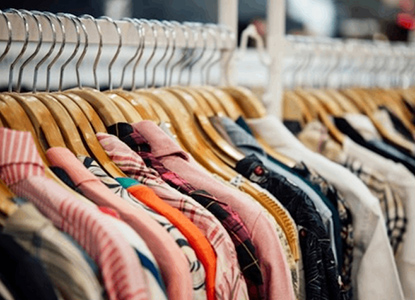
Leading global brands increasingly turn to fashion apparels manufacturers in India for a powerful combination of quality, flexibility, and value. India offers a mature textile ecosystem from spinning and weaving to dyeing, printing, and garmenting supported by skilled labor and a rich tradition of craftsmanship. At the same time, modern factories follow international standards and invest in new technologies to satisfy demanding retailers and fast‑growing D2C labels. Understanding why these brands choose India helps you decide whether to build or expand your own sourcing strategy here. This blog answers key questions that reveal how Indian manufacturers support ambitious brands at every stage of their growth.
What Cost And Value Advantages Do Indian Manufacturers Offer?
India is competitive on price, but the real edge lies in value. Reasonable labor costs, locally sourced fabrics, and efficient production lines help keep unit prices attractive without sacrificing quality. Manufacturers often provide integrated services fabric sourcing, trims, pattern‑making, sampling, and finishing reducing overheads for brands. For buyers, this means fewer intermediaries, simpler communication, and better control over timelines and costs. Additionally, currency advantages and government incentives for exports can make India an even more cost‑effective option. When balanced with strong quality systems, these factors enable brands to improve margins while still delivering well‑made garments to end customers.
How Does Indias Textile Ecosystem Support Diverse Product Ranges?
Indias vertically integrated textile ecosystem is a major reason brands rely on local manufacturers. Spinning mills, weaving units, knit fabric suppliers, dye houses, printing units, and accessory vendors are often clustered around key garment hubs. This proximity reduces lead times for fabric development, color approvals, and sampling. Whether a brand needs lightweight summer dresses, structured jackets, athleisure sets, or kidswear basics, suppliers can quickly coordinate the right materials and finishes. Access to specialized yarns, fancy weaves, and a wide range of prints allows brands to experiment with textures and looks without complicated multi‑country sourcing.
In What Ways Do Indian Factories Ensure Consistent Quality?
Quality assurance is central to export‑oriented Indian factories. Many follow documented standard operating procedures (SOPs) for every stage fabric inspection, cutting, in‑line checks, final inspection, and packing. They use tools like AQL levels, shade bands, size set approvals, and pre‑production samples to align with buyer expectations. Training programs ensure sewing operators, checkers, and supervisors understand quality parameters for different markets. Some factories deploy dedicated quality teams who report independently of production management, ensuring objective assessments. This structured approach gives brands the confidence that they can repeat successful styles season after season with consistent fit, finish, and durability.
How Flexible Are Indian Manufacturers With MOQs And Styles?
Brands appreciate the flexibility Indian manufacturers can offer in terms of minimum order quantities and style variety. While large retailers may place big orders, many factories also accommodate mid‑size and emerging brands through negotiated MOQs. They can handle multiple colorways, size breaks, and small style variations within a single production run. Modular production lines and skilled multi‑machine operators help shift between styles without major downtime. For fashion brands that thrive on frequent drops and capsule collections, this adaptability is crucial. It allows them to experiment with new designs, test markets, and respond quickly to trends without holding excessive inventory.
How Do Indian Manufacturers Support Branding And Customization?
Leading brands do not just buy generic garments; they need distinctive products that reflect their identity. Indian apparel manufacturers support this through detailed customization options. They can integrate custom labels, woven brand tags, printed care labels, branded buttons, logo placements, special packaging, and hangtags that match your visual language. Screen printing, digital printing, embroidery, appliqué, and washing techniques add further uniqueness. Manufacturers often create brand‑specific fit blocks and pattern libraries so future collections maintain a recognizable silhouette. This holistic support allows brands to build a cohesive look and feel across seasons while enjoying manufacturing efficiency.
Why Are Communication And Long‑Term Relationships So Important?
Global brands value Indian manufacturers not only for capacity but also for relationship‑driven collaboration. Strong communication through merchandisers, production coordinators, and top management helps resolve issues early and keep programs on track. Many factories invest in long‑term partnerships rather than short‑term gains, gradually learning each clients preferences, calendars, and quality benchmarks. This mutual understanding reduces friction, speeds up approvals, and encourages joint problem‑solving when markets shift or unexpected challenges arise. For brands planning multi‑year growth, such relationships provide stability and a reliable base from which to launch new categories or enter new regions confidently.
How Do Location And Logistics Benefit International Buyers?
Indias strategic location, with major ports like Mumbai, Chennai, and Mundra, as well as growing air‑freight capacity, makes global shipping efficient. Export‑oriented garment hubs are well‑connected by road and rail to these ports, simplifying consolidation and logistics. Manufacturers often have established relationships with freight forwarders and logistics partners who understand documentation and compliance requirements for different countries. For brands, this means smoother customs clearance, predictable transit times, and easier planning of product launches and marketing campaigns. When combined with reliable production scheduling, Indias logistical strengths help maintain consistent supply to global warehouses and stores.
Conclusion
Leading brands prefer fashion apparels manufacturers in India because the country delivers a strong combination of value, capability, and partnership. A deep textile ecosystem supports diverse product lines, while disciplined quality systems ensure consistent results. Flexible MOQs, rich customization options, and clear communication make it easier for both emerging and established labels to execute their vision. Strategic location and experienced logistics partners further enhance reliability. By carefully selecting the right manufacturing partner in India, brands can secure a scalable foundation for growth, launch more confident collections, and compete effectively in an increasingly demanding global fashion landscape.